
CLIMATE BUSINESS INTELLIGENCE
CLIMATE RISK
IS FINANCIAL RISK™.
ClimaTwin empowers infrastructure capital leaders to price
future weather and climate extremes into asset values, cash flows, and capital plans.
As featured in
Bentley

Bloomberg

CNN

Financial Times

MarketWatch

Merrill Edge

Morningstar

Trimble

Yahoo Finance

EXPOSURE SCORES STOP
BEFORE THE CAPITAL DECISION.
Most platforms identify where assets face physical risk. Capital leaders need to determine
the resulting downtime, revenue loss, asset-value impact, intervention economics, and investment priority.
MEASURE RISK. PRICE CONSEQUENCE. DIRECT CAPITAL.
ANALYZE. QUANTIFY. PRIORITIZE.
ClimaTwin connects future weather and climate extremes to asset exposure, financial consequence, and capital action.
Expose asset vulnerabilities, critical dependencies, hazard thresholds, and failure points across every planning horizon.
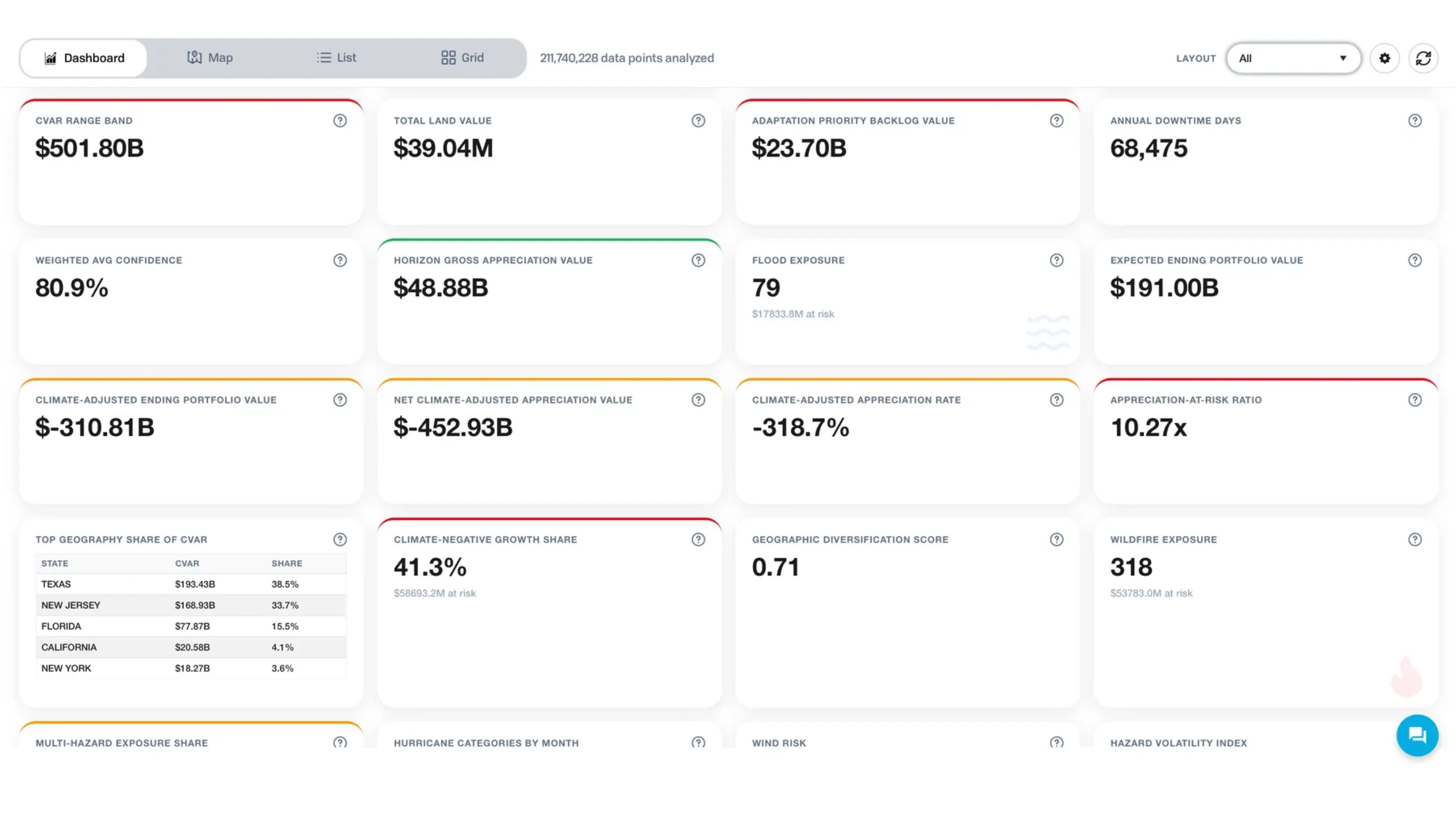
Price asset downtime, revenue loss, cash-flow impact, and climate-adjusted value for each month through 2070.
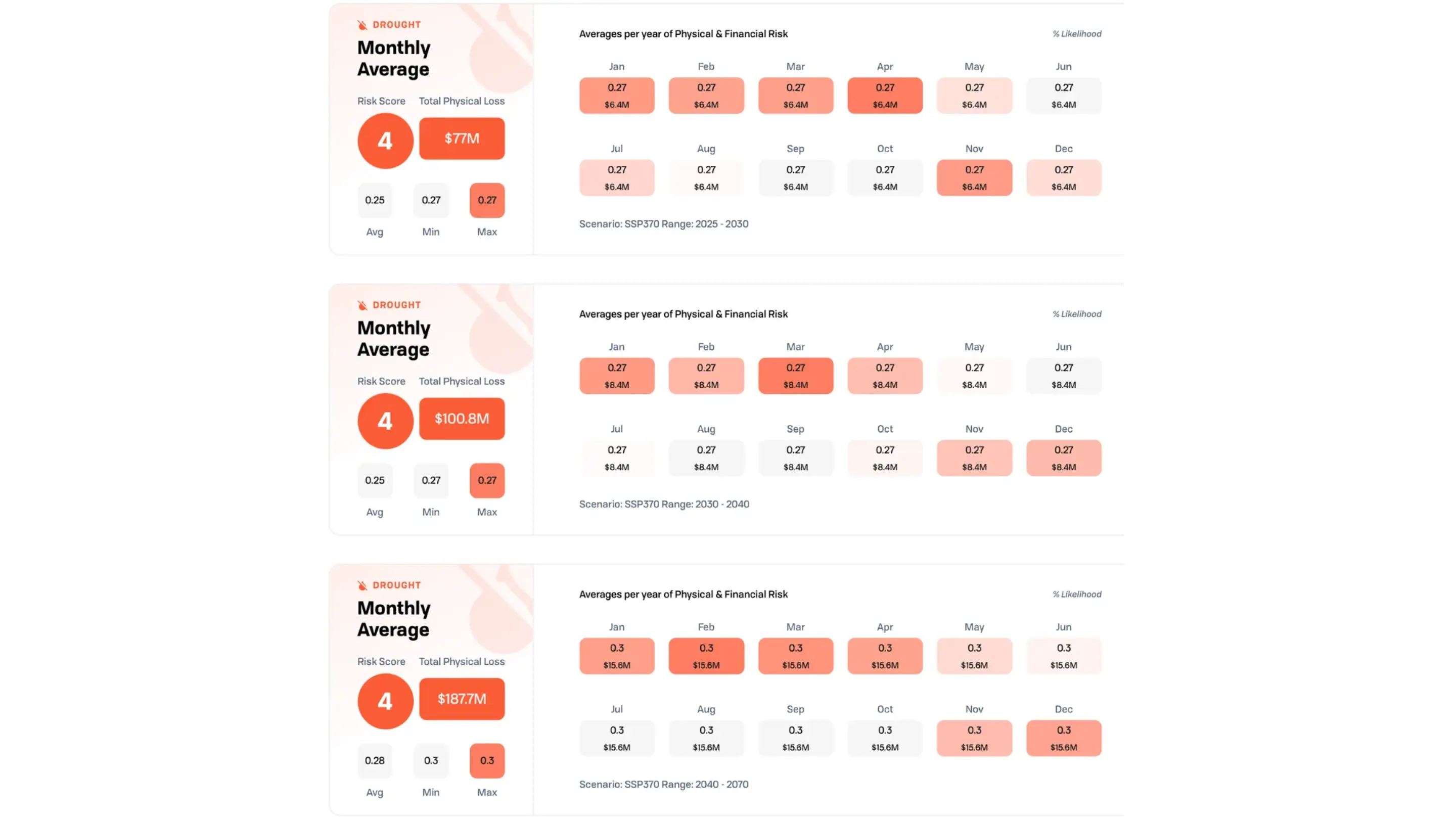
Rank interventions by value protected, implementation timing, capital efficiency, and portfolio-wide impact.
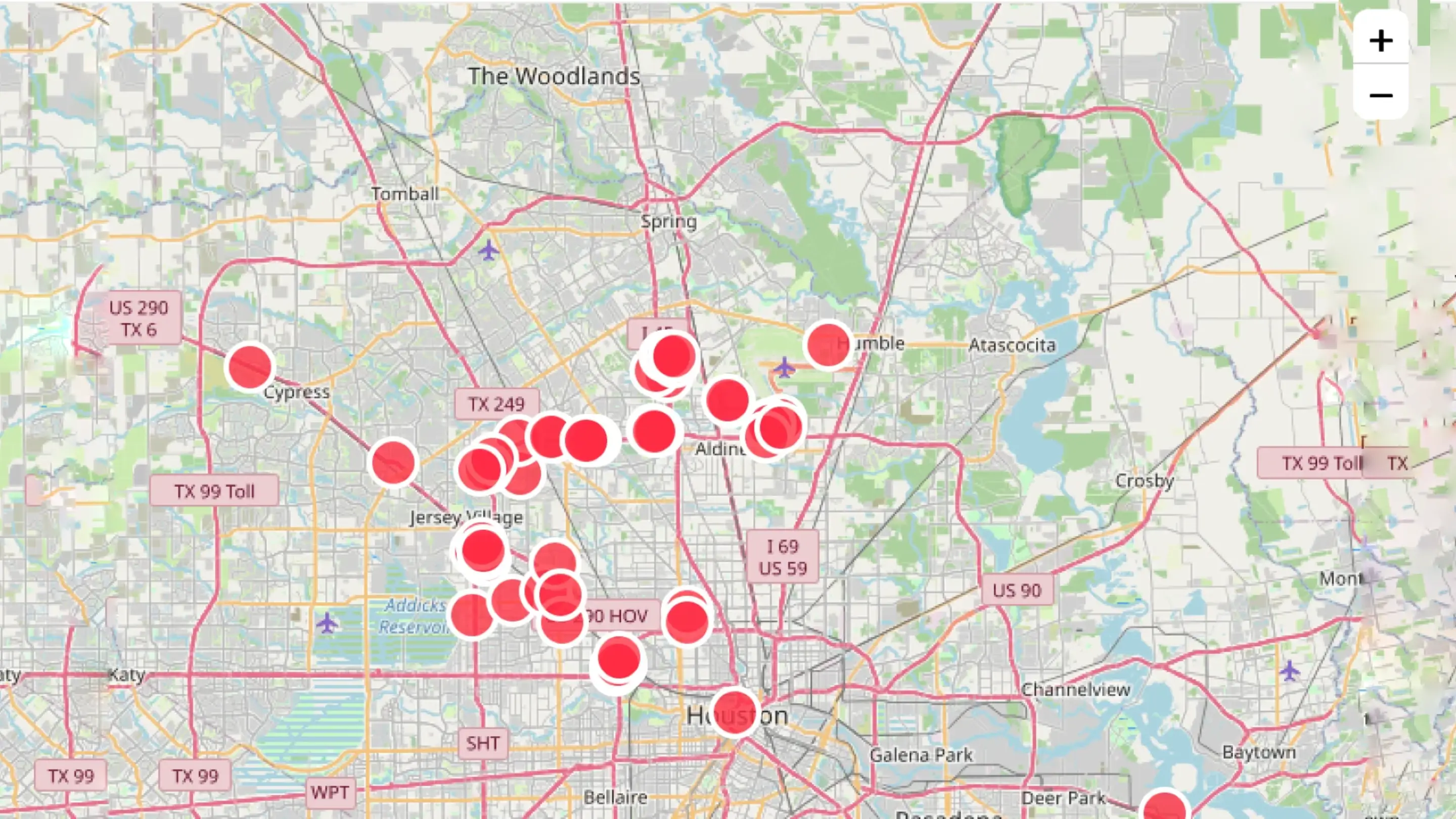
OUTPUT: ASSET EXPOSURE. DEPENDENCIES. THRESHOLDS.
OUTPUT: DOWNTIME. REVENUE LOSS. ADJUSTED VALUE.
OUTPUT: INTERVENTION RANK. VALUE PROTECTED. CAPITAL EFFICIENCY.
THE ASSET SURVIVES. THE NETWORK FAILS.
ClimaTwin evaluates the infrastructure networks each asset depends on
and prices the financial consequence when a critical connection fails.
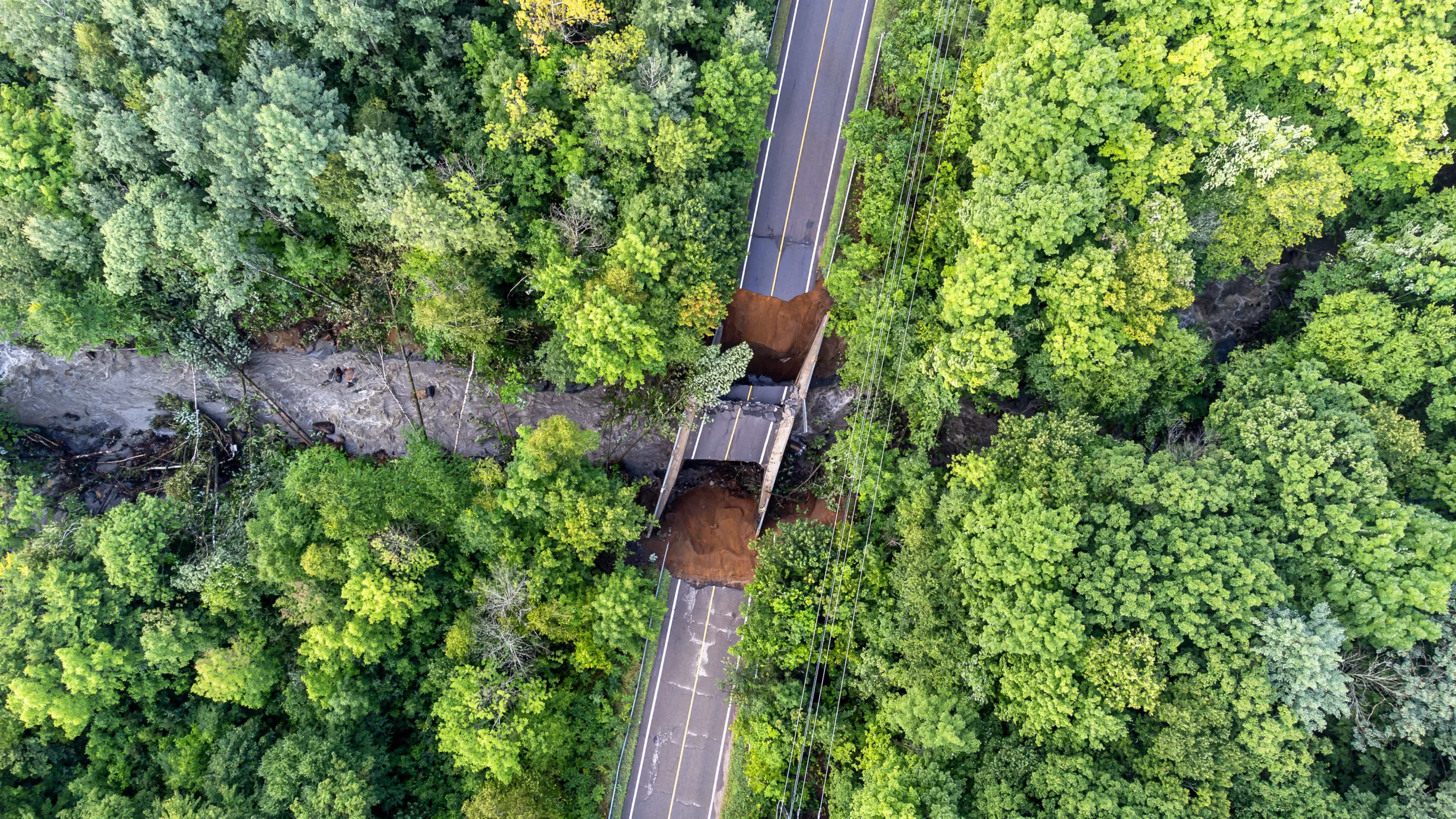
MAP THE NETWORK. RANK THE CHOKEPOINTS. PROTECT THE ASSET.
EVERY ANALYSIS CARRIES ITS EVIDENCE.
Model, financial, and governance assurance connect to every analysis and capital decision.
01 MODEL ASSURANCE
Source data
Scenarios
Methodology
02 FINANCIAL ASSURANCE
Valuation basis
Loss assumptions
Intervention economics
03 GOVERNANCE ASSURANCE
Decision owner
Approval status
Audit trail
GOVERNED THROUGHOUT.
SOURCES • SCENARIOS • ASSUMPTIONS • VALUATION • UNCERTAINTY • APPROVALS
STANDARDS AND REPORTING ALIGNMENT
CONNECT DECISION EVIDENCE TO REPORTING REQUIREMENTS
ClimaTwin® connects traceable physical climate risk evidence to financial reporting, sustainability disclosure, adaptation, assurance, and capital governance workflows. Explore alignment with IFRS S2, TCFD, CSRD / ESRS, ISO 14090 and ISO 14091, TNFD, GRESB, and related public sector frameworks.
01 FRAMEWORK CONTEXT
Named standard, jurisdiction, reporting purpose, and decision owner
02 PHYSICAL RISK EVIDENCE
Hazards, assets, dependencies, vulnerability, and planning horizon
03 FINANCIAL CONSEQUENCE
Downtime, projected loss, cash-flow impact, and climate-adjusted value
04 GOVERNANCE RECORD
Sources, assumptions, limitations, reviewers, and approval lineage
LATEST INTELLIGENCE
ClimaTwin Highlights Climate Business Intelligence™ as COP31 Opens in Antalya
FOR IMMEDIATE RELEASE UN Climate Change Conference provides a global backdrop for connecting climate evidence with infrastructure investment, financial performance and resilience priorities BOSTON, Nov. 9, 2026 — As the UN Climate Change Conference, COP31, opens in Antalya, Türkiye, ClimaTwin underscores the importance of linking climate information to the financial and capital decisions that shape infrastructure resilience. COP31 takes place Nov. 9–20, 2026, bringing governments and other stakeholders together to advance international climate action. The conference is the 31st session of...
ClimaTwin Expands Flood Intelligence and Asset Analysis for Climate Business Decisions
FOR IMMEDIATE RELEASE September platform update adds flood depth by return period, expands hazard mapping and strengthens reporting and AI-assisted asset analysis BOSTON, Oct. 5, 2026 — ClimaTwin introduces new flood analysis, mapping and asset management capabilities in its September 2026 platform update. The enhancements strengthen ClimaTwin’s Climate Business Intelligence™ platform, helping infrastructure owners, asset managers and institutional investors bring more detailed climate information into operational reviews, capital planning and investment discussions. The update combines...
Decision Systems and Model Governance: Implementing Reproducible Econometrics and Model Governance
Direct Answer Reproducible climate econometrics requires versioned data, code, assumptions, model artifacts, and decision outputs that another qualified analyst can reconstruct. Model governance adds clear ownership, independent validation, documented limitations, approval thresholds, change control, performance monitoring, and retirement procedures. Each KPI needs to trace from source data through transformation and model version to the reported number. Governance needs to match decision materiality: experimental analyses are labeled and sandboxed; capital-allocation or disclosure models...