
CLIMATE BUSINESS INTELLIGENCE™ BY INDUSTRY
CLIMATE RISK APPLICATIONS
BY INDUSTRY
SAME HAZARD. DIFFERENT FINANCIAL OUTCOME.
ClimaTwin® provides Climate Business Intelligence™ for infrastructure capital leaders, connecting future weather and climate extremes to projected downtime, cash-flow impact, climate-adjusted asset value, and capital priority.
INDUSTRY CONTEXT DEFINES THE CONSEQUENCE.
INDUSTRY CONTEXT
WHY CLIMATE RISK DIFFERS BY INDUSTRY
Industry context determines the asset scope, service obligation, critical dependencies, financial model, decision owner, and supporting evidence required for approval. ClimaTwin applies one analytical system to industry-specific inputs so capital priorities reflect how each industry operates.

MONTHLY ANALYSIS FOR EVERY YEAR THROUGH 2070.
Supports near-term capital cycles and long-lived asset decisions.
INDUSTRY FINDER
CLIMATE RISK APPLICATIONS BY INDUSTRY
Each industry carries a distinct operating problem, decision trigger, primary decision owner, capital decision, financial effect, and evidence requirement.
Compare how physical climate risk affects downtime, cash flow, asset value, and capital priorities across 12 infrastructure industries.
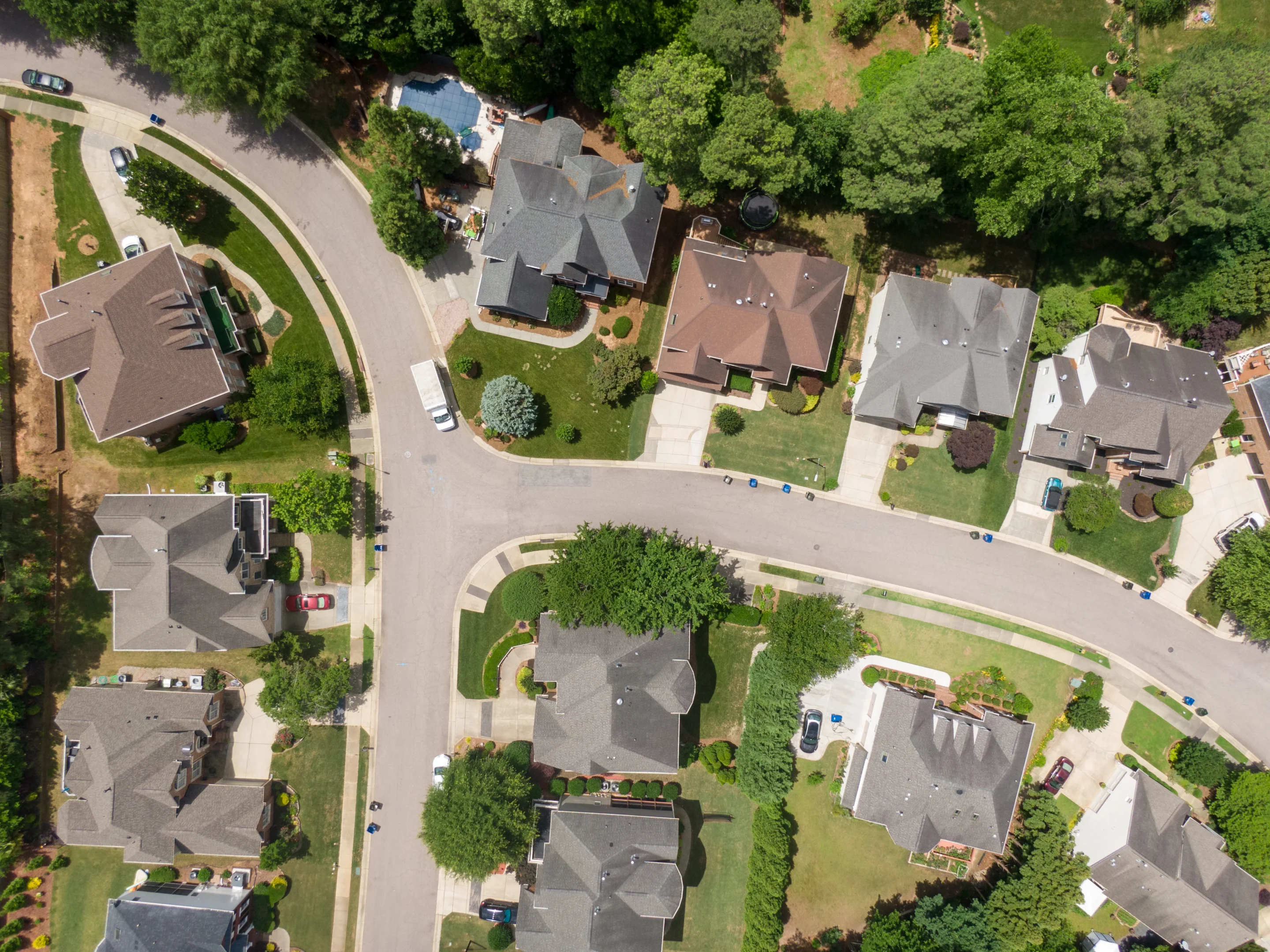
SELECTED INDUSTRY 01 OF 12
Banking and Lending
- Operating Problem
- Extreme events disrupt borrower cash flow and erode collateral value across loan terms.
- Decision Trigger
- Underwriting, renewal, portfolio stress test, or collateral revaluation.
- DECISION OWNER
- Chief Credit Officer.
- Capital Decision
- Set pricing, limits, covenants, and risk capital by projected loss.
- Financial Effects
- Credit loss, collateral value, margin, concentration, and capital adequacy.
- Supporting Evidence
- Loan tape, collateral values, borrower dependencies, scenarios, and projected loss.

Selected Industry 02 of 12
Cities and Urban Infrastructure
- Operating Problem
- Extreme events interrupt linked public services and destabilize capital programs.
- Decision Trigger
- Capital improvement plan, bond issue, grant application, or continuity review.
- DECISION OWNER
- Director Of Capital Planning.
- Capital Decision
- Rank resilience projects by essential-service continuity and value protected.
- Financial Effects
- Emergency cost, service loss, repair burden, debt capacity, and capital efficiency.
- Supporting Evidence
- Asset register, service dependencies, capital plan, loss baseline, and project economics.
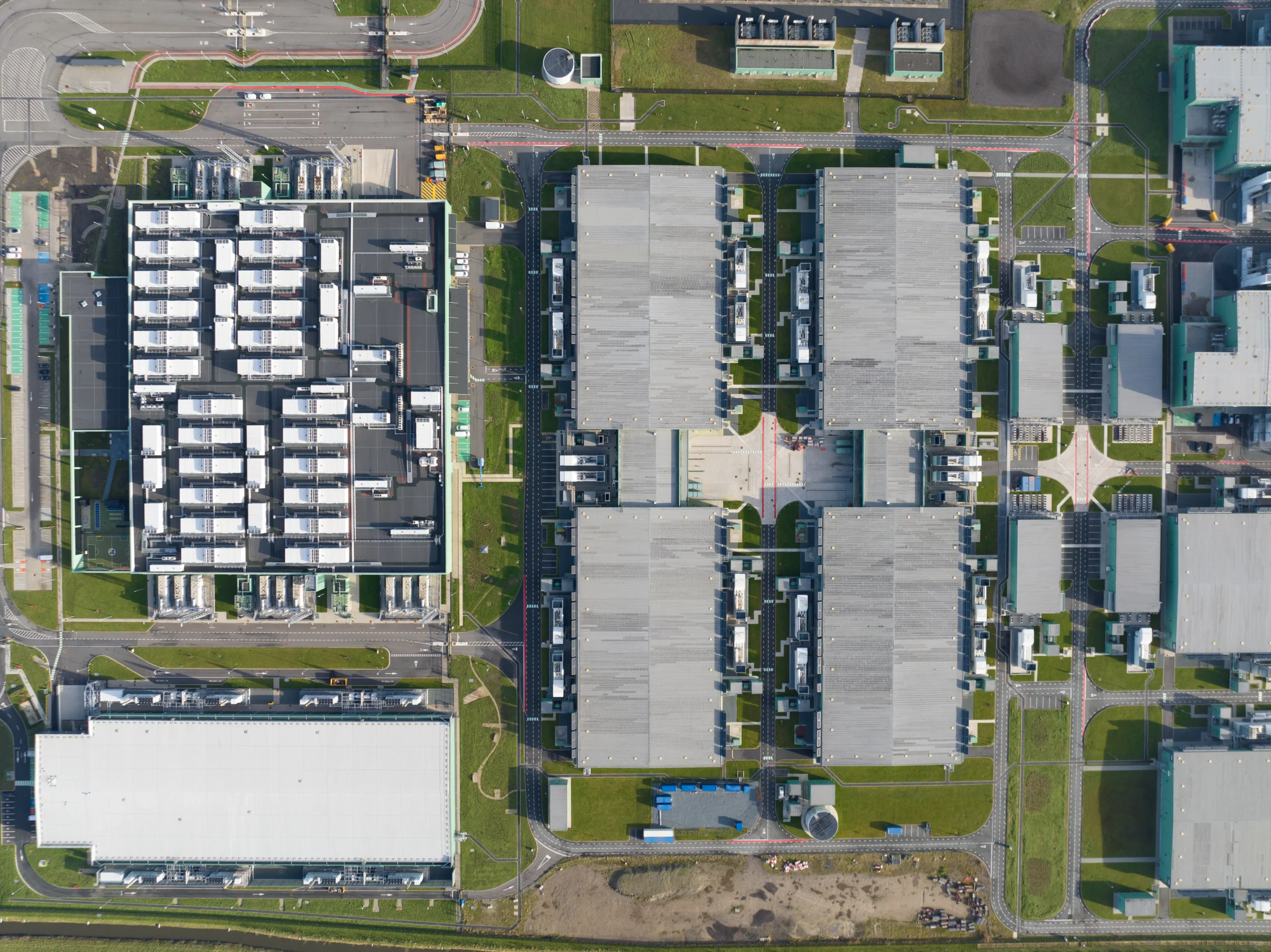
Selected Industry 03 of 12
Digital Infrastructure
- Operating Problem
- Heat, flood, wildfire, and utility failure threaten digital uptime.
- Decision Trigger
- Site approval, capacity expansion, financing, or SLA renewal.
- DECISION OWNER
- Data Center Capital Planning Leader.
- Capital Decision
- Prioritize site hardening and redundancy by avoided downtime.
- Financial Effects
- Downtime cost, SLA credits, revenue loss, insurance cost, and asset value.
- Supporting Evidence
- Site inventory, utility dependencies, uptime baseline, loss scenarios, and intervention economics.
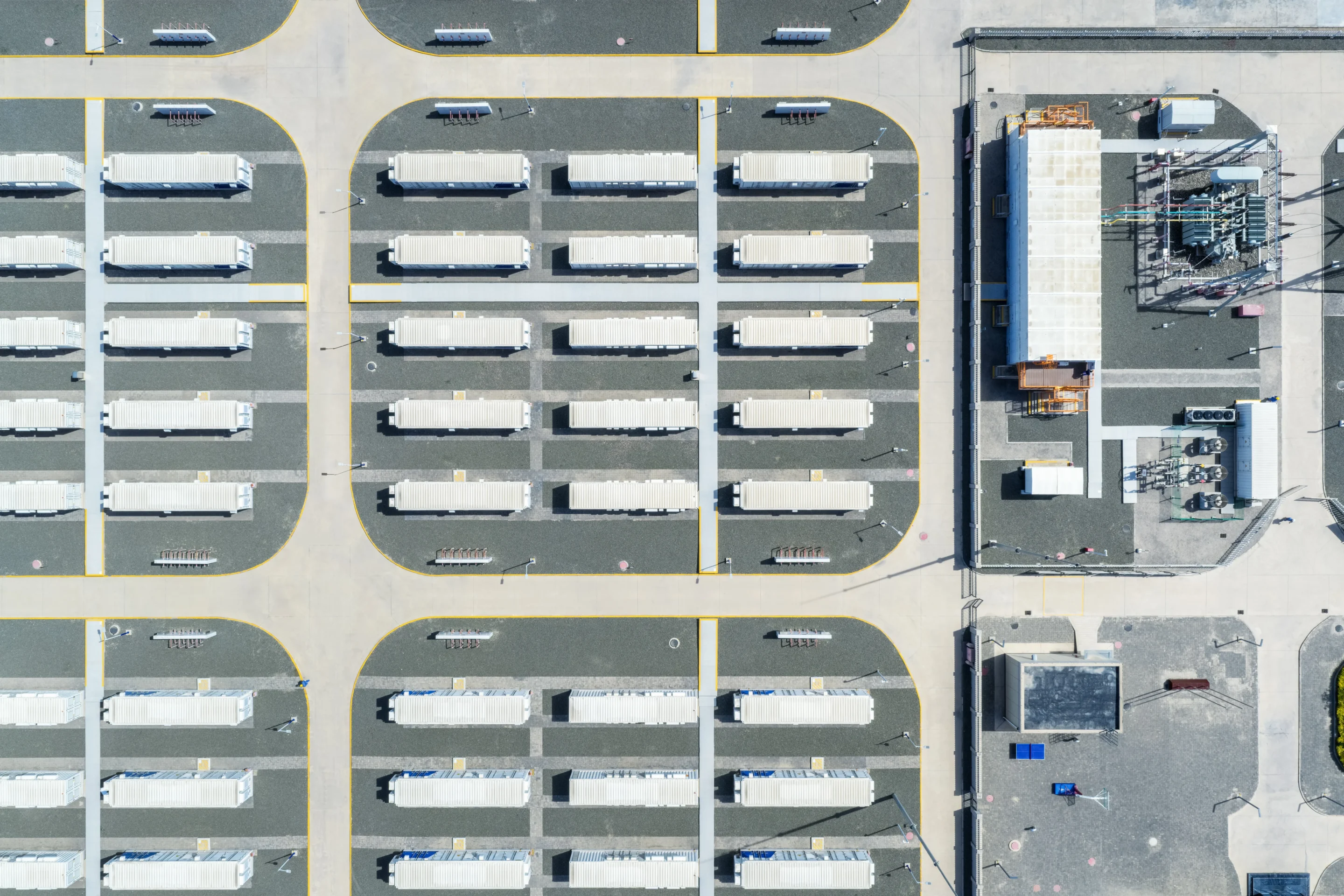
Selected Industry 04 of 12
Energy Infrastructure and Utilities
- Operating Problem
- Extremes raise outage costs and threaten service obligations.
- Decision Trigger
- Grid renewal, rate case, financing, or continuity review.
- DECISION OWNER
- Utility Capital Planning Leader.
- Capital Decision
- Rank renewal and resilience investments by value protected.
- Financial Effects
- Outage cost, revenue impact, rate effects, and asset value.
- Supporting Evidence
- Asset register, network dependencies, outage baseline, projected loss, and intervention economics.

Selected Industry 05 of 12
Healthcare Systems
- Operating Problem
- Facility and utility failures interrupt care delivery and patient access.
- Decision Trigger
- Facility master plan, expansion, financing, or emergency preparedness review.
- DECISION OWNER
- Health System Capital Planning Leader.
- Capital Decision
- Prioritize hardening and redundancy by care continuity and value protected.
- Financial Effects
- Lost revenue, surge cost, insurance expense, care capacity, and asset value.
- Supporting Evidence
- Facility inventory, clinical dependencies, continuity standards, downtime economics, and project options.

Selected Industry 06 of 12
Higher Education and Campuses
- Operating Problem
- Heat, flood, wildfire, and utility failure disrupt teaching, research, and housing.
- Decision Trigger
- Campus master plan, major project, debt issue, or insurance renewal.
- DECISION OWNER
- Vice President For Facilities And Capital Planning.
- Capital Decision
- Prioritize renewal and resilience by mission continuity and value protected.
- Financial Effects
- Research loss, auxiliary revenue, repair cost, insurance, and asset value.
- Supporting Evidence
- Campus inventory, mission dependencies, deferred maintenance, loss baseline, and project economics.
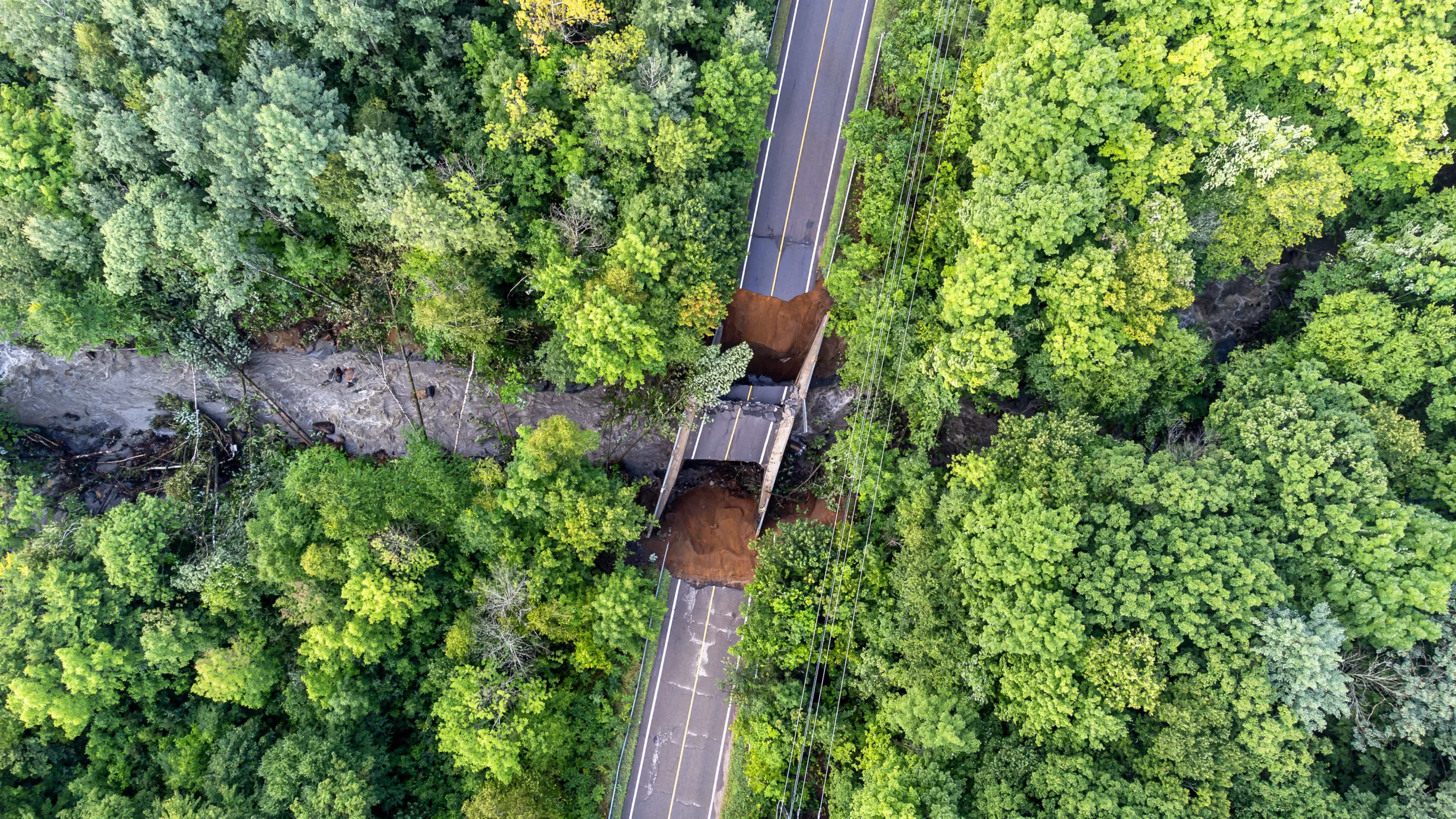
Selected Industry 07 of 12
Insurance
- Operating Problem
- Forward loss drivers outpace historical pricing and hide portfolio concentration.
- Decision Trigger
- Product pricing, portfolio review, reinsurance renewal, or capital model update.
- DECISION OWNER
- Chief Underwriting Officer.
- Capital Decision
- Adjust pricing, terms, limits, reinsurance, and portfolio mix by forward loss.
- Financial Effects
- Loss ratio, combined ratio, premium adequacy, reinsurance cost, and capital requirement.
- Supporting Evidence
- Policy portfolio, exposure concentrations, vulnerability assumptions, loss distributions, and scenario comparison.
Selected Industry 08 of 12
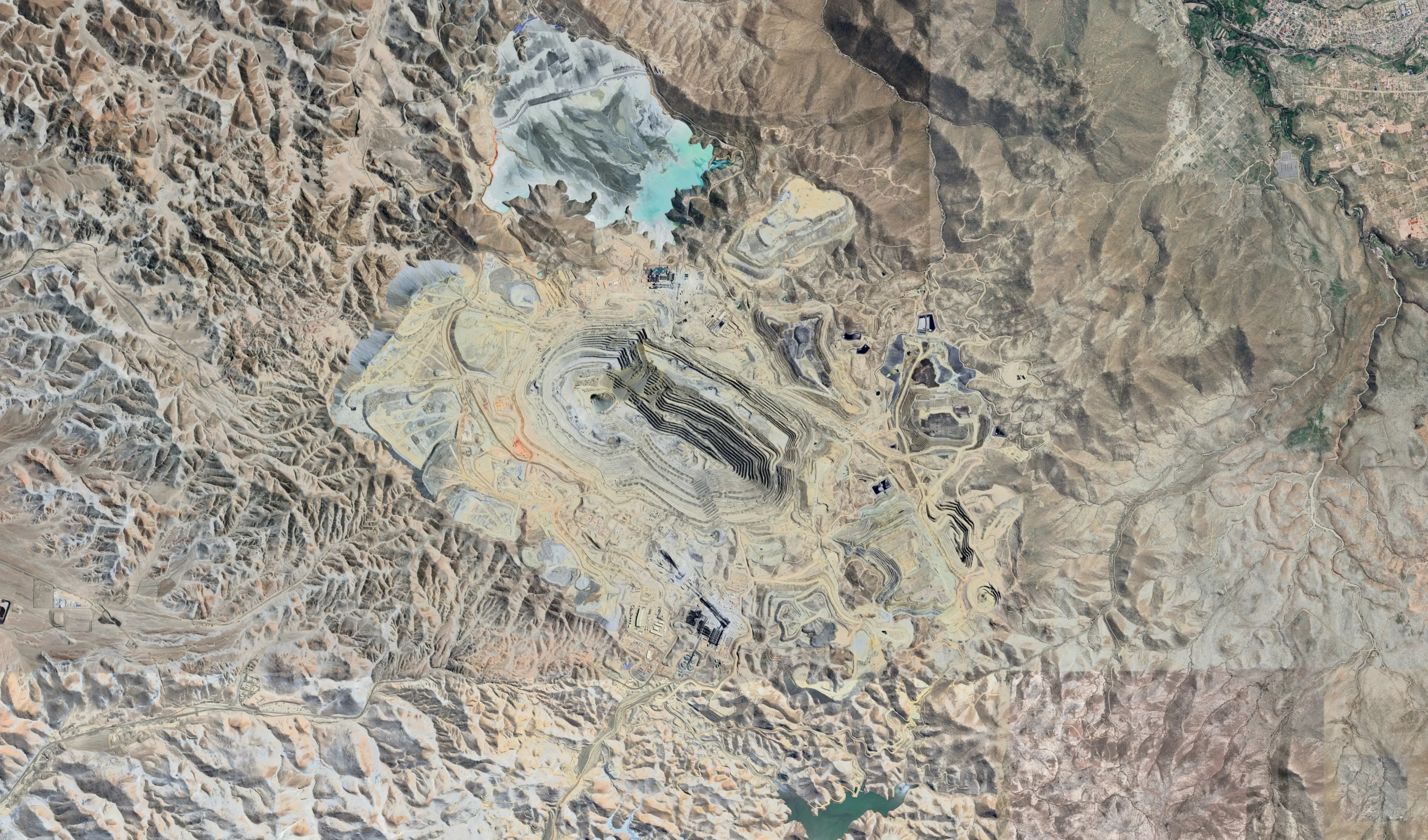
Mining and Materials
- Operating Problem
- Heat, water stress, flood, wildfire, and route disruption reduce production and strain logistics.
- Decision Trigger
- Mine plan, expansion, project finance, insurance renewal, or life-of-mine review.
- DECISION OWNER
- Head Of Sustaining Capital.
- Capital Decision
- Sequence site, water, power, and route investments by production value protected.
- Financial Effects
- Lost production, unit cost, capital expenditure, insurance cost, and net present value.
- Supporting Evidence
- Site inventory, production dependencies, mine plan, downtime baseline, and intervention economics.

Selected Industry 09 of 12
Ports and Maritime
- Operating Problem
- Coastal and inland extremes interrupt terminals and access corridors, compounding cargo delay.
- Decision Trigger
- Terminal expansion, concession renewal, financing, insurance, or continuity review.
- DECISION OWNER
- Port Capital Planning Director.
- Capital Decision
- Prioritize berth, drainage, equipment, and corridor upgrades by throughput value protected.
- Financial Effects
- Throughput loss, demurrage, operating revenue, repair cost, and concession value.
- Supporting Evidence
- Terminal inventory, corridor dependencies, throughput baseline, loss scenarios, and intervention economics.

Selected Industry 10 of 12
Private Equity and Infrastructure Investment
- Operating Problem
- Physical risk changes acquisition price, cash flow, capital expenditure, financing, and exit value.
- Decision Trigger
- Diligence, investment committee review, refinancing, hold-period plan, or exit.
- DECISION OWNER
- Investment Committee Sponsor.
- Capital Decision
- Reflect risk in bid, reserves, capital plan, financing, and the value-creation roadmap.
- Financial Effects
- EBITDA, free cash flow, capital expenditure, financing cost, insurance cost, and exit value.
- Supporting Evidence
- Deal model, asset register, operating dependencies, scenario loss, capital plan, and value bridge.
Selected Industry 11 of 12
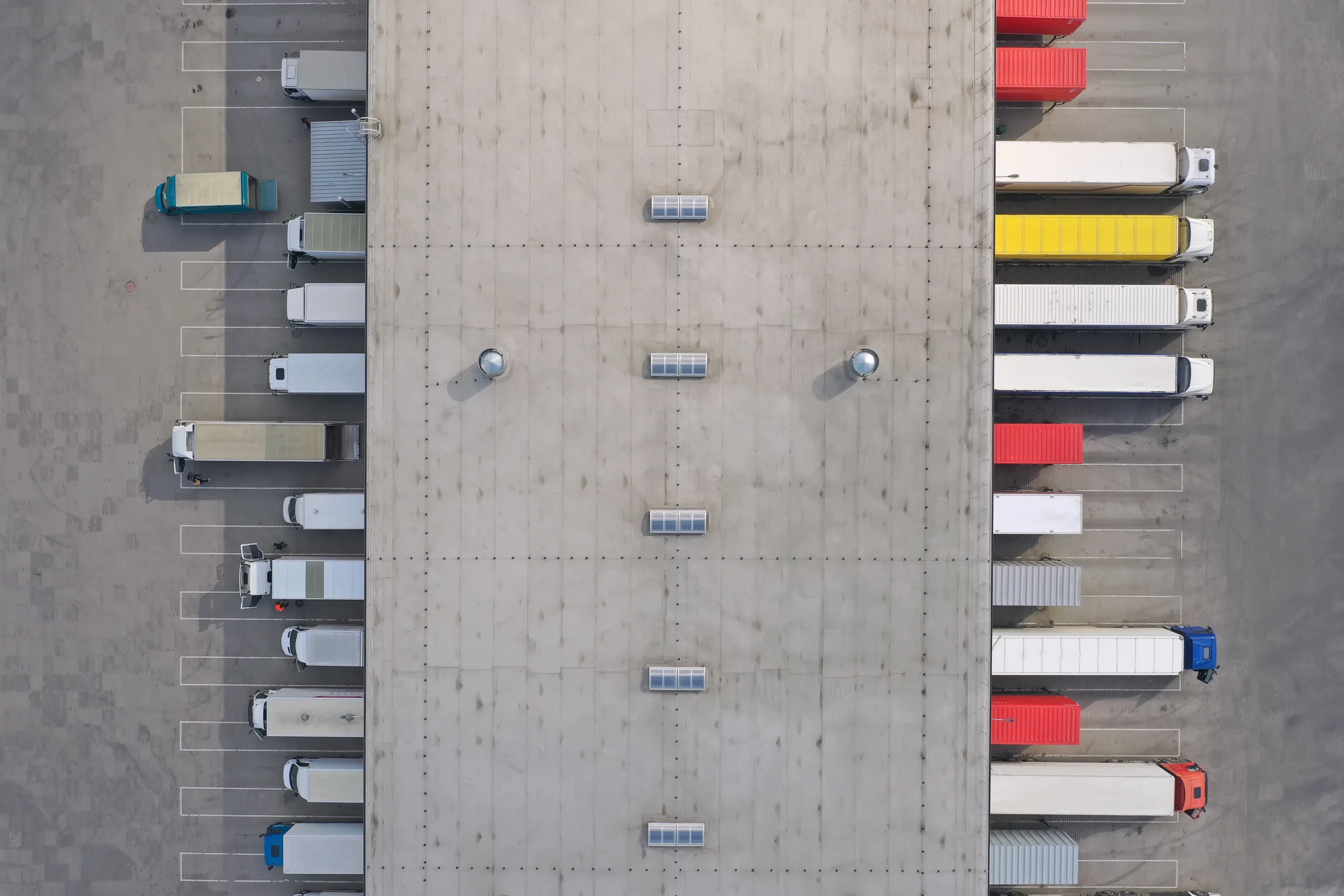
Transportation and Logistics
- Operating Problem
- Extreme events close corridors, disrupt service, and accelerate deterioration across networks.
- Decision Trigger
- Asset management plan, corridor upgrade, funding application, or continuity review.
- DECISION OWNER
- Transportation Capital Planning Leader.
- Capital Decision
- Sequence hardening, renewal, redundancy, and route alternatives by service value protected.
- Financial Effects
- Delay cost, operating revenue, lifecycle cost, repair cost, and asset value.
- Supporting Evidence
- Network inventory, critical routes, service baseline, closure cost, and intervention economics.
Selected Industry 12 of 12
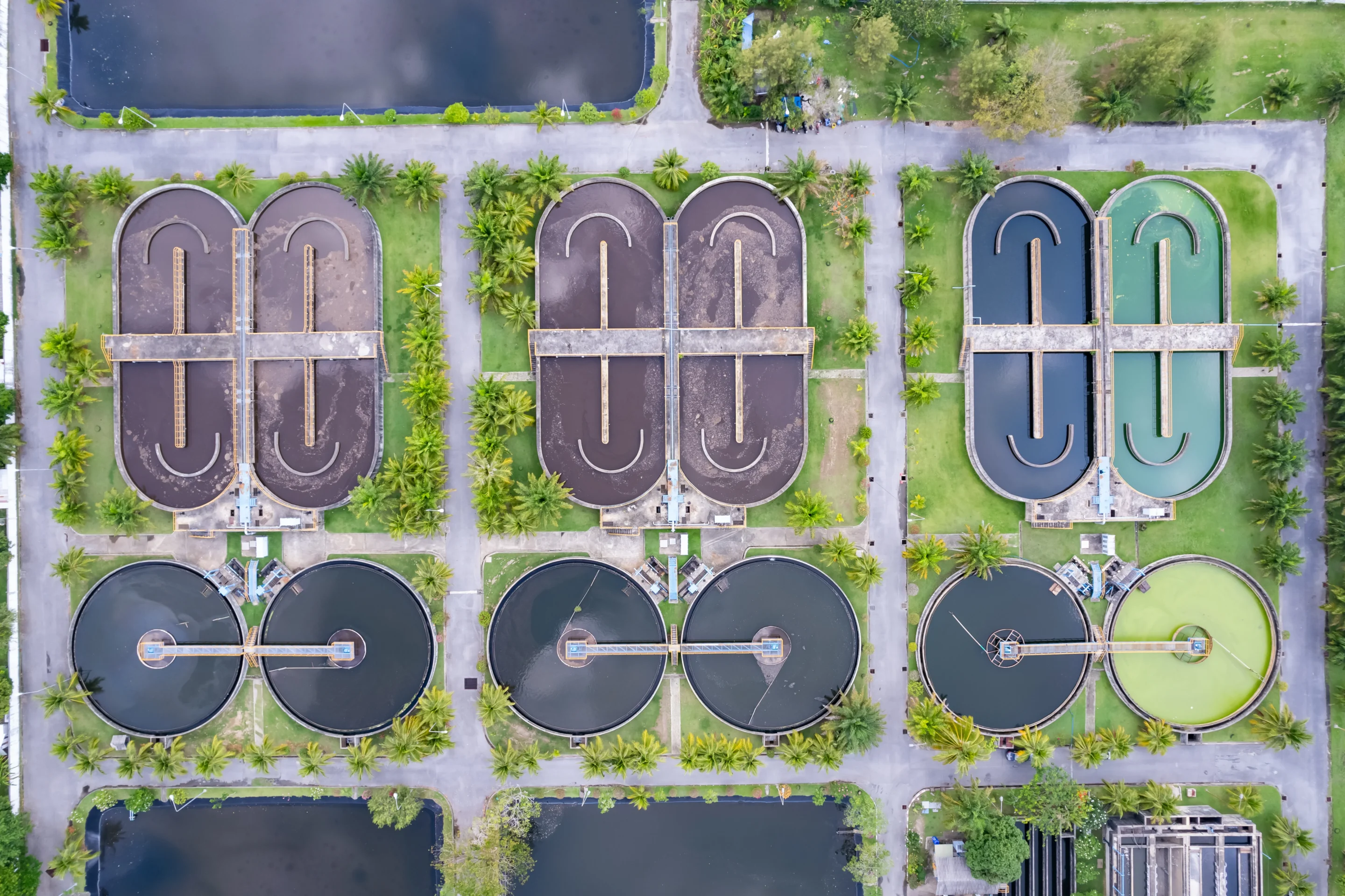
Water and Wastewater
- Operating Problem
- Drought, flood, wildfire, heat, and power disruption threaten supply, treatment, and conveyance.
- Decision Trigger
- Capital improvement plan, rate case, bond issue, compliance order, or continuity review.
- DECISION OWNER
- Water Utility Capital Planning Leader.
- Capital Decision
- Sequence source, treatment, pumping, storage, power, and network renewal by service value protected.
- Financial Effects
- Service disruption, emergency operations, compliance cost, rate effects, and lifecycle cost.
- Supporting Evidence
- System inventory, source and power dependencies, service baseline, failure cost, and intervention economics.
SELECT AN INDUSTRY
ACTIVE DECISION
WHEN TO ASSESS CLIMATE RISK
Assess climate risk when a capital plan, transaction, renewal, financing review, or service continuity decision requires defensible evidence before approval.
ONE ACTIVE DECISION. ONE APPROVAL DATE.
DECISION EVIDENCE
EVIDENCE FOR CAPITAL APPROVAL
One shared analysis answers the financial, operational, technical, and governance questions behind evaluation and approval.
DIRECT ANSWERS
QUESTIONS INFRASTRUCTURE CAPITAL LEADERS ASK
Assets, dependencies, service obligations, and financial structures produce different downtime, loss, and value outcomes.
Read ClimaTwin Industry Research →Exposure scoring locates hazards. ClimaTwin® connects exposure with projected downtime, financial loss, climate-adjusted asset value, intervention economics, and capital priority.
Review Platform Methodology →Monthly analysis for every year through 2070 supports current capital cycles and long-lived asset decisions.
Review the ClimaTwin Analytical System →Cited sources, transparent assumptions, scenario results, uncertainty, intervention economics, and representative outputs create a traceable decision record.
Explore Capital Decision Workflows →The briefing establishes the operating context, asset scope, planning horizon, financial basis, evidence requirements, and approval date.
REQUEST A 90-DAY ASSESSMENT →VISIBLE ANSWERS. CONTEXTUAL LINKS. ONE DECISION PATH.
INDUSTRY DECISION BRIEFING
REQUEST AN INDUSTRY DECISION BRIEFING
ONE INDUSTRY. ONE ACTIVE DECISION. ONE APPROVAL DATE.
The briefing defines the operating context, asset scope, planning horizon, financial basis, required evidence, and approval date for one active capital decision.
01
INDUSTRY
Operating context and service obligation
02
ACTIVE DECISION
Capital or operating decision under review
03
TARGET APPROVAL DATE
Approval date or funded milestone
04
ASSET OR PORTFOLIO SCOPE
One asset, site, network, or portfolio
OUTPUT: OPERATING CONTEXT • FINANCIAL BASIS • EVIDENCE REQUIREMENTS • APPROVAL DATE
ENGAGEMENT MODEL
90-DAY PLATFORM ASSESSMENT
Apply ClimaTwin® to one live capital decision across up to 25 assets or sites. Receive ranked interventions, documented assumptions, supporting evidence, and an executive decision pack.
BEST FIT: A NAMED DECISION OWNER, DEFINED PORTFOLIO, AGREED PLANNING HORIZON, AND TARGET APPROVAL DATE.
01
DEFINE THE DECISION
Set the portfolio, planning horizon, decision owner, and financial basis.
02
ANALYZE THE ASSETS
Map exposure, dependencies, vulnerabilities, and relevant thresholds.
03
PRICE THE CONSEQUENCE
Quantify downtime, loss, cash-flow impact, and climate-adjusted value.
04
DIRECT THE CAPITAL
Deliver ranked interventions, supporting evidence, and an executive decision pack.